
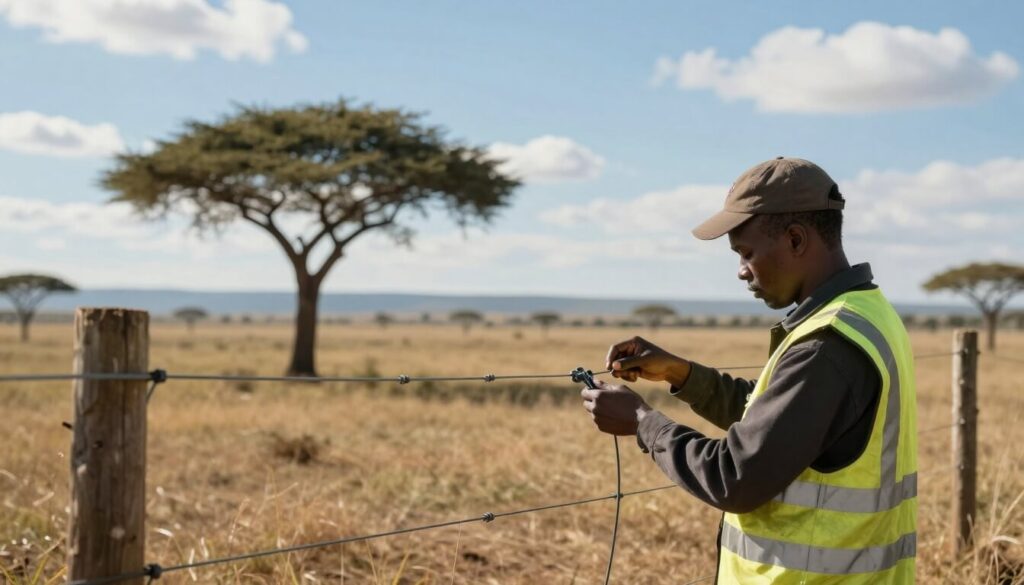
Rising theft rates hit Kenyan farms hard last year, with reports showing a 25% jump in livestock losses. Businesses in Nairobi face break-ins that cost millions, while home owners worry about intruders at night. You need more than old walls or barbed wire to keep trouble out. Electric fences deliver a strong zap that stops threats fast. They form a smart barrier with an energizer that powers wires, plus grounding to complete the circuit. This guide helps you pick top electric fence installers in Kenya. You’ll learn how to spot pros who get the job done right.
Why Electric Fencing is the Superior Security Choice in the Kenyan Landscape
Electric fences stand out because they pack power without killing. A quick shock teaches intruders to stay away. They beat plain fences hands down. Studies from security firms show electric setups cut break-ins by up to 80% on farms. Barbed wire might snag clothes, but it rarely stops determined folks. Walls look tough but often hide weak spots. Electric fencing shows off its wires like a warning sign—everyone knows to back off.
The shock feels like a bad pinch, nothing fatal. Kenya’s rules keep things safe; installers must follow EPRA guidelines for energy use. No one wants lawsuits from harm. Reputable electric fence installers in Kenya ensure the system pulses at safe levels. You get peace of mind with real protection.
The Deterrent Factor: Psychological and Physical Barriers
That humming wire line sends a clear message: don’t touch. Thieves spot it from afar and pick easier targets. It’s like a guard dog that never sleeps. Physical side? The jolt hits muscles hard, making escape tough for seconds. Yet it heals quick—no marks, no mess.
Compare it to barbed wire. That stuff slows people down but doesn’t stop them. Electric fences? They make most rethink their plans. One farm owner near Nakuru shared how thefts dropped to zero after install. You can expect the same results on your land.
Safety rules in Kenya demand non-lethal design. Installers test for proper voltage—around 5,000 to 10,000 volts but low amps. It stings, not hurts. Choose firms that explain this upfront.
Versatility Across Kenyan Environments
Kenya’s lands vary a lot, from dry plains to green hills. Electric fences fit anywhere. On big farms in Rift Valley, they keep cows in and crooks out. Dairy spots use them to guard high-value herds against rustlers.
In busy Nairobi, shops and offices need quick setups. Wires run along walls, adding layers to gates. Residential areas like Karen benefit too—estates stay safe without huge costs. One family there cut night patrols after adding electric fencing.
Arid zones near Turkana face dust storms. Tough insulators handle it. Hilly spots in Central Kenya? Flexible posts hold firm. Electric fence companies in Kenya adapt designs to your spot. They test for wind or rain issues first.
Vetting Professional Electric Fence Installers: Essential Criteria
Picking the wrong team means headaches later. Look for signs of real skill. Start with papers that prove they know the rules. Kenya requires bonds from energy bodies for safe installs. Ask about import certs for gear from abroad. Bad parts lead to failures.
Insurance covers accidents on site. You don’t want bills if a worker slips. Top electric fencing installation Kenya pros carry at least KSh 5 million coverage. It shows they care about risks.
Licensing, Certification, and Compliance
Check if they hold EPRA approval for power links. Telecom rules apply if alarms tie in. Kenya’s security laws demand tested equipment. Fake certs pop up—verify online or call agencies. Good installers share docs without pushback.
Public liability insurance protects you too. It fixes damage to neighbors or gear. Demand proof before signing. Firms without it? Walk away.
Local standards cover wire strength and shock levels. Pros follow them to avoid fines. Your fence lasts longer that way.
Experience and Portfolio Review
Years in the game matter. Aim for at least five. But don’t stop there—ask for farm photos if that’s your need. A city expert might flop on rough land. Review dairy farm jobs for livestock spots.
References seal the deal. Call three clients from last year. Ask: Did they fix issues fast? Was the fence holding up? Honest talks reveal truths.
One tip: Visit a site they did. See the wires tight, grounds deep. It beats photos every time. Electric fence installers in Kenya with solid portfolios deliver.
Component Quality and Supplier Relationships
Energizers power the pulse—pick strong ones from Nemtek or Gallagher. They handle Kenya’s power dips. Insulators keep charge in; cheap ones crack fast. Cables must resist sun fade.
Reputable teams buy from certified sellers. Direct import? Better warranties, often five years. Local distributors work too, if authorized. Ask: Who supplies you? It affects repair ease.
Quality gear cuts long-term costs. A bad energizer fails in storms—yours won’t if pros pick right.
The Installation Process: What to Expect from a Top Kenyan Contractor
Good work starts with a visit. Teams scout your land, note hills or trees. They spot power spots and weak gates. Involve your guards—they know blind areas.
Expect clear plans after. Quotes break down costs: wires at KSh 200 per meter, labor extra. Taxes listed too. Vague bids hide tricks.
Warranties vary: one year on work, longer on parts. Push for details in writing.
Initial Site Survey and Security Assessment
Surveys take a day or two. Pros measure perimeter, test soil for grounds. They flag flood risks or dry spots. Your input helps—point out past break spots.
Local teams join to share insights. It builds trust and spots issues early. No survey? Red flag—skip that crew.
This step saves money. Wrong plans lead to redo costs. Top electric fence installers in Kenya make it thorough.
System Design, Quotation Transparency, and Warranty Coverage
Design fits your needs: multi-zone for big farms. Quotes show every item—posts, gates, even transport. Add 16% VAT clear.
Watch for hidden fees. Good ones explain options, like solar backups for off-grid spots.
Standard warranties: 12 months labor, 2-5 years parts. Kenya market norms hold. Get it all signed.
Testing, Commissioning, and User Training
Final tests check every wire. Volt meters hit 7,000 volts steady. No weak links allowed.
Handover includes a demo. Your staff learns to watch lights, call for faults.
Tip: Train on daily checks—feel for hum, clear brush. Basic fixes like resetting energizer. It keeps things running smooth.
Post-Installation Support: Maintenance and Troubleshooting Services
After setup, support keeps it strong. Annual contracts beat one-off fixes. They plan checks, spot wear early.
SLAs promise quick help—24 hours in cities like Mombasa. Remote areas get 48. Pay extra for peace.
Prevent checks twice a year: test grounds, clean insulators. It stops big breaks.
Service Level Agreements (SLA’s) for Repairs
AMCs cost KSh 50,000 yearly for midsize setups. They include parts and visits. Ad-hoc? Doubles the price per call.
Response times matter. Nairobi faults fixed same day. Upcountry? Plan ahead.
Contracts outline all—sign for reliability. Electric fencing Kenya pros offer flexible plans.
Troubleshooting Common Issues Specific to the Kenyan Climate
Rainy times bring grass touching wires—shorts the charge. Trim paths monthly.
Dry dust clogs insulators in north. Wipe with damp cloth, not water.
Advanced teams use apps for remote checks. Ping issues from phone. It cuts downtime fast.
Conclusion: Investing Wisely in Lasting Perimeter Security
Smart picks for electric fence installers in Kenya pay off big. Accredited teams cut risks, build systems that last. Cheap bids lead to fixes that drain cash—skip them.
You gain security that works years, not months. Farms save on losses, homes sleep easy.
Take action now. Talk to Metocus ltd on 0755 984 707. We are reliable electric fence installers in Nairobi, Kenya.