
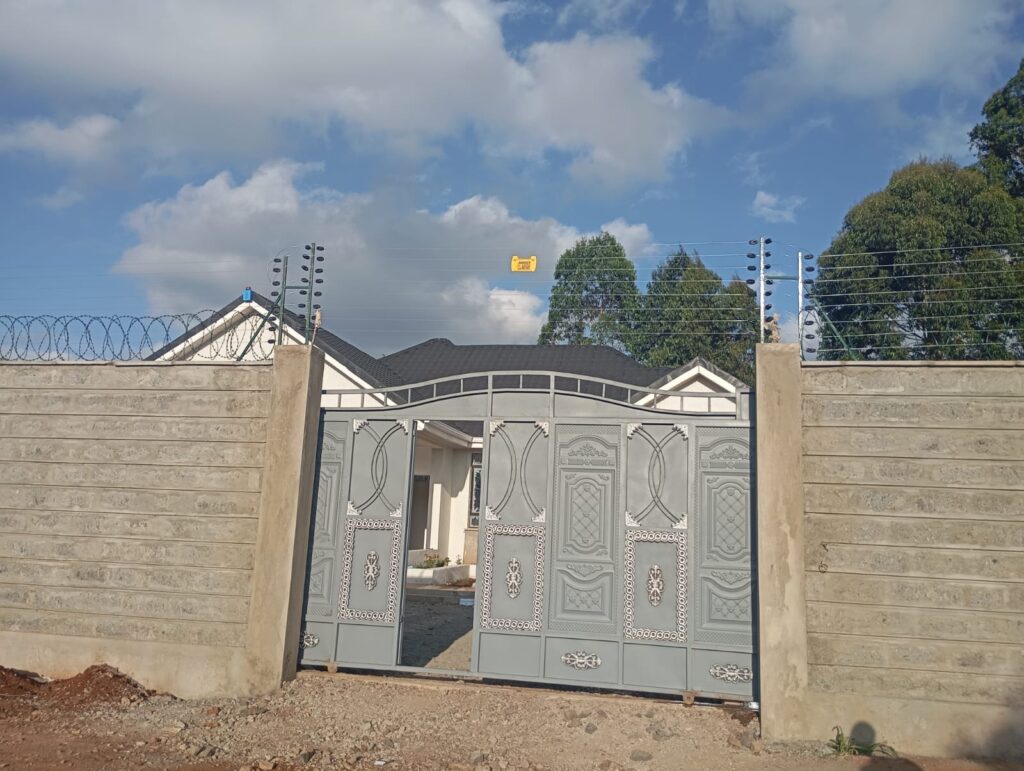
In Kenya, break-ins and theft hit farms and homes hard. You hear stories all the time—livestock gone overnight or intruders slipping past weak gates. Electric fencing steps in as a smart fix. It delivers a quick shock to keep threats away without constant watching. This guide walks you through every step of electric fence installation in Kenya. You’ll learn how to set it up right for your spot, from city lots to rural fields. Plus, we’ll touch on Kenya’s rules to keep things legal and safe.
Understanding Electric Fence Fundamentals for the Kenyan Context
Electric fences work by sending pulses of power through wires. These pulses zap anyone or anything that touches them. In Kenya, where weather swings from dry spells to heavy rains, you need gear built to last.
The Core Components of a Modern Electric Fence System
Start with the energizer. It’s the brain that pumps out the shock. Pick one with enough joules—say, 5 to 10 for a 1-kilometer fence—to handle livestock or intruders.
High-tensile wire comes next. It stays tight and carries the current well. Insulators keep the wire off posts and stop leaks. In Kenya’s sun and rain, choose ones made from tough plastic that won’t crack.
Earth rods ground the system. They let the shock complete its loop. Warning signs alert people nearby. And a battery backup saves the day when power cuts hit, which happens often here.
For fences guarding cows or goats, go for a lower joule energizer. But for home security, bump it up to deter humans. This setup keeps costs down while boosting safety.
Legal Compliance and Best Practices in Kenya
Kenya has rules for electric fences. They must sit at least 2 meters high to stop climbs. Place signs every 10 meters saying “Danger: Electric Fence.”
Keep fences 3 meters from roads or power lines. The Energy and Petroleum Regulatory Authority (EPRA) sets these to avoid shocks to the public. Follow them, or you risk fines.
One common slip-up? Skipping signs. A farm in Nakuru got hit with penalties after a neighbor complained. Always check local county rules too. They vary a bit.
Choosing the Right Wire and Configuration
Galvanized steel wire holds up best against rust in humid spots like the coast. Aluminum works if you want lighter weight for long runs.
For basic deterrence, one wire line at chest height does the trick. But for full containment, stack 4 to 6 lines, spaced 20 to 30 cm apart. This traps animals inside.
Tropical sun fades cheap wires fast. Pick UV-resistant ones to avoid breaks after a few months. In Kenya’s heat, that extra protection pays off.
Pre-Installation Planning and Site Assessment
Before you dig a hole, map your land. This saves headaches later. Think about your fence’s path and any hurdles.
Site Survey and Perimeter Mapping
Walk your property line. Measure every meter with a tape or wheel. Note trees, walls, or ditches that could help or block.
Incorporate old fences or posts to cut costs. Route the wire straight where possible. Sharp bends cause weak spots.
Draw a simple sketch on paper. Mark post spots and gate places. This plan helps you buy just what you need. For a 500-meter farm perimeter, you’ll spot needs early.
Earthing System Design: The Critical Foundation
Earthing makes the shock work. Without it, your fence just hums. Drive rods deep into moist soil— at least 2 meters.
Kenyan soils vary. Sandy coasts need longer rods or chemical gels to boost conductivity. Test resistance with a meter; aim below 10 ohms.
A certified engineer once told me for tropical areas, add salt around rods during dry times. It pulls moisture in. Skip this, and your system fails when you need it most.
Powering the System: Mains vs. Solar Installation Considerations
Grid power from KPLC is steady in cities like Nairobi. But outages are common, so pair it with a battery.
Solar shines for remote Maasai Mara farms. A 100-watt panel charges a 12-volt battery fine. Size it for your energizer’s draw—check amps per hour.
Kenya’s dust clogs panels. Wipe them weekly. Heat drains batteries faster, so shade them. Solar costs more up front but frees you from bills.
Step-by-Step Installation Process
Now grab your tools. With planning done, installation goes smooth. Take it slow to avoid fixes later.
Installing the Support Structure: Poles and Bracing
Dig post holes 60 cm deep for wooden poles. Space them 3 to 5 meters apart, closer on curves.
Steel posts need less depth—40 cm—if concrete sets them. Brace corners with guy wires to fight tension pulls.
For livestock fences, use treated timber to resist termites. In windy Kitui, add cross-bracing. This holds against cow charges or storms.
Mounting the Energizer and Wiring the Primary Circuit
Hang the energizer inside a shed. Keep it dry and cool. Connect earth wire first to the rods.
Run the live wire to the fence start. Use insulated cable to avoid shorts. Hook up power last—battery or mains.
Test connections with a multimeter. No sparks mean good work. This order keeps you safe during setup.
Stringing the Wire and Tensioning Techniques
Unroll wire from a spool. Attach it to the first insulator at full height.
Pull it tight with a fence stretcher. Crimp ends secure. For multi-strand, work bottom up.
Use 12.5-gauge wire for strength. Insulators must grip without touching metal. Set tension so a flick makes it twang—not sag or snap.
Too loose, and grass shorts it out. Too tight, posts lean. Aim for 100-150 kg pull. Check after a day; it settles.
Testing, Commissioning, and Maintenance
Your fence is up. Now prove it works. Testing spots flaws early.
Testing Voltage Output and Ground Resistance Verification
Grab a fence voltmeter. Clip it to the wire at the end. You want 5,000 volts minimum.
Check earth with a resistance tester. Drive a probe away from rods. Low ohms mean a solid ground.
If voltage drops, hunt faults. Walk the line for breaks. This step turns your setup live and reliable.
Troubleshooting Common Installation Failures
Vegetation grows fast in rainy Kenya. It bridges wires and drops power. Trim bushes monthly.
Dry soil kills grounding. Water rods or add conductive mix. Livestock rubs insulators loose—replace cracked ones quick.
A short from a fallen branch? Isolate sections with cut-outs. Fix it fast to keep the whole fence hot.
Routine Maintenance Schedule for Longevity
Check weekly: Walk the perimeter for damage.
Monthly: Test voltage and clean connections. Inspect batteries—top up electrolyte if needed.
Quarterly: Tighten wires and swap worn insulators. Clear weeds before they touch. In dusty areas, brush solar panels.
This routine keeps your electric fence installation in Kenya running years. Log issues in a notebook for patterns.
Conclusion: Maximizing Your Investment in Perimeter Security
Electric fence installation in Kenya boils down to smart planning, solid parts, careful setup, and steady care. You get a barrier that shocks threats away and guards your peace. From urban plots to vast ranches, it fits Kenya’s needs.
Key takeaways:
- Map your site and pick weather-tough components first.
- Ground well—it’s the shock’s secret.
- Test often and maintain to avoid breakdowns.
- Follow EPRA rules for safe, legal setup.
Ready to protect your land? Start with a call today. WhatsApp us on: 0755 984 707. Your secure future waits.